

The 7 most iconic animals of Costa Rica
Namubak Clothing
The seven most iconic animals of Costa Rica remind us why this small country is considered a natural paradise. From the jaguar to the red-eyed tree frog, each species tells a story of balance, adaptation, and connection with wildlife. In this guide, we explore seven of the country's most representative species and the role they play in its biodiversity.
If you want to learn more about the ecosystems that make this natural wealth possible, we recommend visiting our article on Costa Rica's Biodiversity: a natural treasure for the world.
The most representative animals of Costa Rican fauna
Costa Rica is home to approximately 5% of the world's biodiversity , and more than a quarter of its territory is protected. These seven animals not only symbolize the country's natural wealth but also universal values such as strength, calm, balance, and connection with the environment.
1. Jaguar: The true king of the jungle
The jaguar in Costa Rica is the largest feline in the Americas and a symbol of power. It inhabits parks such as Corcovado and Tortuguero , where its presence ensures the balance of the ecosystem by controlling the populations of other species.
In the indigenous worldview, it represents strength and rebirth and is known as the true one of the forest. Its powerful and agile skeletal structure reflects the perfection of natural design, reminding us of the harmony between beauty and ferocity.
Discover more about the jaguar, its characteristics and conservation status

2. Two-toed sloth — calm in motion
The two-toed sloth is perhaps the most endearing animal in the tropics. It moves with deliberate slowness among the trees, its metabolism as tranquil as its gaze.
Its lightweight skeleton reveals a life lived without haste, adapted to the natural rhythm of the rainforest. It teaches us that presence and calm are also forms of wisdom.
Learn more about the two-toed sloth in Costa Rica

3. Tapir: The gardener of the forest
The Baird's tapir ( Tapirus bairdii ) in Costa Rica is known as La Danta. It is a key animal in forest regeneration. It disperses seeds along its routes, creating new areas of life. Its robust build and silent gait symbolize the unseen force that sustains the rainforest. It is, quite literally, the gardener sowing the future of the forest.
→ Read more about the tapir and its role in conservation

4. Red-eyed tree frog
The red-eyed tree frog is among the most recognized species in the country. a An icon of Costa Rican ecotourism. Its green, blue, and red hues shine in the Caribbean forests, where it serves as an indicator of environmental health.
Its delicate and transparent skeleton reminds us of the fragility of life and the balance that sustains every being.
Discover more about the red-eyed tree frog

5. Hammerhead shark — the guardian of the ocean
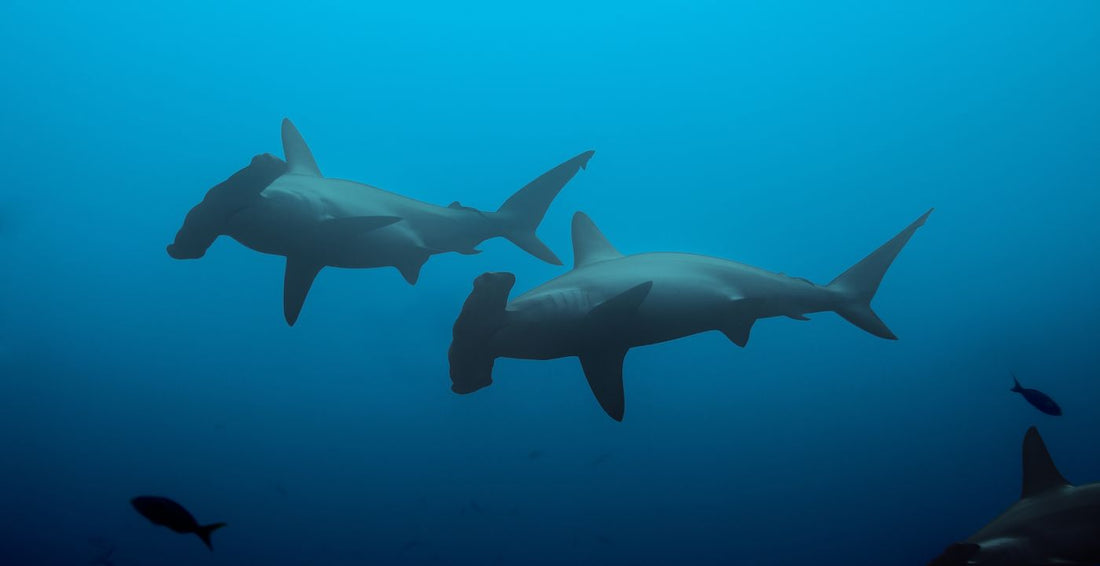
The hammerhead shark patrols the deep waters surrounding Cocos Island , one of the most important marine reserves on the planet. Its distinctive T-shaped head provides it with panoramic vision, making it an elegant predator and essential to the marine ecosystem. Its lightweight, perfectly formed cartilaginous skeleton demonstrates the evolutionary precision of the ocean. Unfortunately, it faces threats from indiscriminate fishing and climate change .
If you want to support marine conservation projects in the region, you can learn about the work of CREMA, a marine research and conservation organization that works to protect marine resources and promote sustainable fishing policies in Costa Rica and Central America.
Explore more about the status of sharks in Costa Rica.

6. Rainbow-billed toucan: Symbol of the tropical forest
The keel-billed toucan fills the humid forests of the Caribbean with color. Its long, multicolored beak is not only a visual marvel, but also a key tool for dispersing seeds and maintaining forest diversity.
Light and fragile, its skeleton sustains the freedom that inspires its flight and its song, the most joyful voice of the tropics.
Discover the 6 species of toucans found in Costa Rica.

7. Leatherback turtle: The ancestral traveler of the Pacific
The leatherback sea turtle is the largest species of sea turtle in the world and a tireless traveler that journeys thousands of kilometers across the Pacific Ocean. Every year it returns to the beaches of Guanacaste, such as Playa Grande and Playa Langosta, to nest and continue a life cycle that has been repeating itself for millions of years.
Its flexible skeleton, without a rigid shell, allows it to cross the seas and represents the adaptability and resilience of life itself.
However, today it faces threats from light pollution, climate change, and habitat loss.
Protecting it is protecting a living memory of the planet.

What these animals teach us
Each of these species embodies a life lesson: the jaguar inner strength, the sloth calmness, the tapir the generosity that regenerates the forest, the red-eyed tree frog balance, the hammerhead shark vision and respect for the ocean, the toucan communication that sows diversity, and the leatherback turtle perseverance that transcends generations.
Together they are a mirror of Costa Rican nature: its visible beauty and its internal architecture — that perfect “skeleton” of life — and they remind us that protecting it is also protecting ourselves.
If you want to learn more about how these ecosystems are connected, visit our article on Costa Rica's Biodiversity: a natural treasure for the world.
And if you'd like to take a reminder of these stories with you, explore the art series we created with Costa Rican illustrator Martha Espinoza : Memento Mori . A tribute to life, nature, and time.